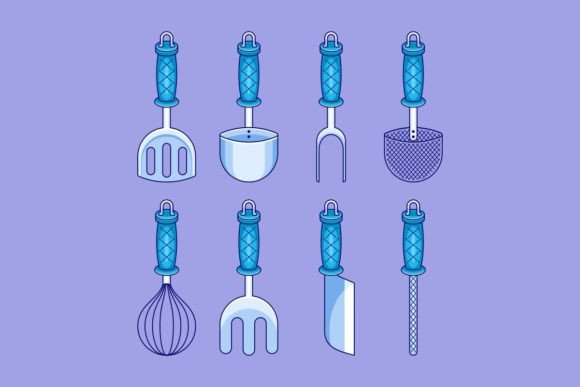
Cartoon-style Kitchen Utensil Design: A Creative Asset for Modern Projects
In a world saturated with minimalist icons and photorealistic renders, a playful and nostalgic touch can make your design stand out instantly. Cartoon-style kitchen utensil design offers exactly that—a vibrant, approachable aesthetic that transforms everyday objects into memorable characters and visual stories. This unique design direction is more than just fun; it's a powerful tool for creating engaging, effective communication across countless mediums.
Why This Playful Style Resonates in Modern Graphic Design
Cartoon-style illustration taps into universal emotions of warmth, comfort, and creativity. In graphic design, this translates to immediate visual impact and stronger audience connection. Unlike sterile, generic visuals, a cartoon-style kitchen utensil design carries inherent personality. It can soften a brand's image, inject humor into marketing, or simplify complex concepts in user interfaces. This style excels at creating a clear visual hierarchy where key elements pop, guiding the viewer's eye effortlessly through your content. Its versatility makes it a valuable addition to any designer's toolkit, adaptable to both digital and print design landscapes.
Practical Applications Across Creative Industries
The utility of well-crafted cartoon assets spans virtually every corner of the creative field. Consider these practical applications:
- Branding and Logo Design: A cartoon whisk or a smiling spatula can become the cornerstone of a brand identity for cafes, cooking blogs, meal kit services, or children's educational products. It builds a friendly, recognizable persona.
- Marketing & Social Media Graphics: These designs are perfect for eye-catching social media posts, animated stories, and engaging advertisements. They increase shareability and user engagement, especially in content marketing for food and lifestyle brands.
- Web and UI Design: Use cartoon icons to create an intuitive and delightful user experience. They can guide users through a recipe app, illustrate empty states, or make onboarding processes more enjoyable.
- Packaging Design: Stand out on the shelf with playful illustrations that tell a story about the product inside, appealing to families and consumers looking for a touch of joy.
- Editorial and Presentation Design: Liven up cookbooks, magazine layouts, and corporate presentations. A cartoon illustration can break up dense text, explain a process, or add a creative spark to a slide deck.
Integrating Cartoon Elements Effectively Into Your Workflow
To leverage this style successfully, thoughtful implementation is key. Start by evaluating the asset's consistency. Does the line weight, color palette, and character style align with your project's overall aesthetic? A cohesive set ensures a professional presentation. Next, consider scalability. Vector format is ideal, as it allows for resizing to any dimension without quality loss—from a tiny favicon to a massive billboard.
Typography plays a crucial supporting role. Pair cartoon illustrations with friendly, rounded fonts or clean sans-serifs to maintain readability and balance. Avoid overly decorative typefaces that might compete with the detailed artwork. The color palette should be harmonious; you can either adopt the vibrant hues from the illustration set or adapt them to match an existing brand system for seamless integration.
Ultimately, the power of cartoon-style kitchen utensil design lies in its ability to communicate on a human level. It transforms functional objects into relatable elements that enhance storytelling and emotional appeal. By selecting high-quality, versatile assets and applying them with strategic intent, designers, marketers, and creators can significantly elevate their projects. Thoughtful design choices, supported by premium creative assets, are what bridge the gap between ordinary visuals and compelling, effective communication that truly resonates with an audience.